
Why Reliable Travel Planning Matters on a Busy Event Day
A special event can look perfectly organized on paper, yet transportation has a habit of becoming one of those details that affects everything else. Guests need to arrive at the right place, at the right time, and sometimes from several different pickup points. That is where wedding and event transport around Downham Market can make the day feel far more controlled. Instead of leaving everyone to work out parking, directions, and separate travel plans, a coordinated service can bring the schedule together. For weddings, parties, family celebrations, and formal gatherings, reliable transportation helps create a smoother start and keeps unnecessary stress away from the occasion.
Timing is one of the biggest reasons to plan transport carefully. A ceremony may begin at a fixed hour, suppliers may have their own arrival windows, and guests could be travelling from hotels, homes, or another venue. Even a short delay can have a knock-on effect. Professional drivers who understand the schedule can plan routes, allow for traffic, and organise pickups with more structure. That does not mean every minute has to feel rigid. Quite the opposite, when transport is properly arranged, guests can relax because someone else is keeping an eye on the practical details.
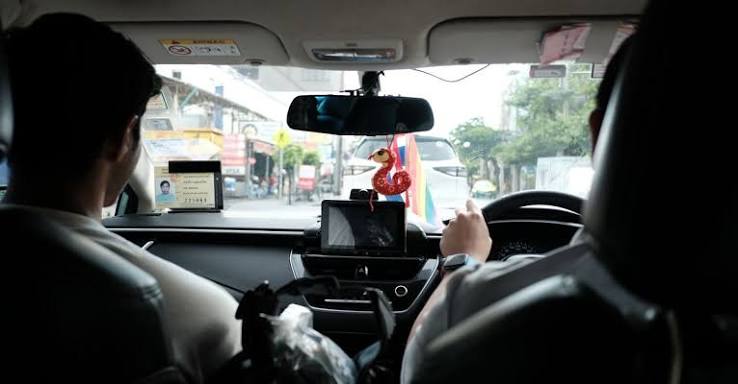
The choice of vehicle also deserves some thought. A small family gathering may only need a comfortable car or minibus, while a larger event might require several vehicles or group transport. Passenger numbers, luggage, mobility needs, distance, and the style of the occasion can all influence what works best. Comfort matters too, especially when guests are dressed formally or travelling for longer periods. Choosing a service that can match the vehicle to the event helps avoid cramped journeys, unnecessary waiting, or confusion over who is travelling where.
Good communication can make just as much difference as the vehicle itself. Clear pickup times, confirmed locations, contact details, and a simple plan for the return journey can prevent a lot of last-minute questions. It is also useful to discuss possible changes in advance, such as delays at the venue, extra stops, or guests needing to leave earlier than expected. Events rarely follow a script down to the minute, so a transport provider that can adapt calmly is valuable. Flexibility, punctuality, and clear coordination usually matter more than flashy extras when the schedule starts moving.
The best transport service is ultimately the one that supports the event without becoming another thing to worry about. For anyone arranging wedding and event transport around Downham Market, it makes sense to look beyond price and consider reliability, communication, suitable vehicles, local route knowledge, and the ability to handle a busy timetable. When those pieces come together, guests are more likely to arrive calm, comfortable, and ready to enjoy themselves. That is the real benefit of thoughtful transport planning, it helps the celebration flow naturally from one moment to the next, without travel problems stealing attention from the reason everyone gathered in the first place.
…


 Yours Truly, Johnny Dollar
 The Golden Era of Radio Drama